October 2, 2026
Are Smoothie Diets Effective for Reducing Sugar Cravings? An Honest Opinion
By @nourish-slowly
If you reddit.com have ever tried to “just eat better” and found yourself staring at the pantry again an hour later, you already know how stubborn sugar cravings can feel. They do not show up only when you are weak-willed. Often, they show up when your day is uneven, your meals do not keep you satisfied, or your blood sugar swings make your brain ask for something quick and sweet.
Smoothie diets promise a simpler pattern: blend meals, simplify choices, and make it easier to stay in a calorie deficit. But the real question most people care about is more specific, smoothie diet sugar cravings. Do they actually reduce them, or do they just move the problem from cookies to smoothie ingredients?
Here is my honest take, with the trade-offs people rarely talk about.
Why cravings often get worse during weight loss attempts
Sugar cravings can be driven by a few different mechanisms, and smoothie diets hit some of them better than others.
When people cut calories for weight loss, they commonly reduce portions first, then meals lose protein and fiber, sometimes without realizing it. That is where hunger turns sharp. If breakfast becomes a small bowl of something bland, or if lunch turns into carbs without much structure, your body may feel like it is waiting for a real meal. Cravings can become the signal for “feed me now.”
Stress and sleep also play a role. Poor sleep raises hunger hormones for many people, and stress can make “quick comfort foods” more tempting. You might feel like you have cravings even when you did not eat a ton of sugar earlier in the day.
Then there is the practical issue: cravings are often reinforced by habits. Many people reach for sugar at predictable times, like mid-afternoon or after dinner while winding down. Even if your smoothie plan helps with nutrition, the habit loop can still pull you back unless the timing and satisfaction level are right.
So when you ask whether a smoothie diet can reduce sugar cravings, you are really asking if it can do two things at once: keep you full and stabilize the rhythm that triggers cravings.
What a smoothie diet changes in your appetite and blood sugar patterns
A smoothie diet can help with cravings mainly because it can improve meal quality and consistency without relying on willpower. When smoothies are built well, they tend to be lower in added sugar than typical snack foods, and they can include fiber from fruit, oats, chia, or seeds. That combination often slows digestion compared to grabbing something sweet from a vending machine.
The most important part is not the smoothie itself. It is what goes into it and how often you use it.
From experience, here is what usually helps reduce cravings when following a smoothie diet for weight loss:
- Protein and fat: If your smoothie includes enough protein, you are less likely to feel the “empty stomach” craving. Fat also helps, even in moderate amounts, because it lengthens satisfaction.
- Fiber: Fiber supports fullness and helps prevent that fast spike and crash pattern people feel with more refined carbs.
- Added sugar control: Many people accidentally make smoothies too sweet by using juice, sweetened yogurt, honey, or flavored powders. That can recreate the craving cycle.
- Meal structure: Replacing breakfast and one snack with smoothies can reduce the number of times you reach for sweets. Less exposure can make cravings fade.
On the flip side, I have also seen smoothies make cravings worse. It happens when smoothies become dessert. If a smoothie diet turns into “treat shakes,” especially with banana-heavy, juice-based, or multiple sweet add-ins, cravings can stay loud. Your brain still gets used to a sweet hit, and it starts demanding the same sensation again later.
That is why the phrase reduce sugar with smoothie diet sounds good on paper, but it depends on whether the smoothie actually reduces sugar exposure or simply repackages it.
A quick example from real life
I once supported a client who started with a smoothie plan that looked “healthy.” It had fruit, a dairy base, and a few tablespoons of honey because it tasted better. Within days, her cravings for candy rose, not fell. She was drinking a sugar-forward beverage every morning, then trying to “be good” until lunch. Her hunger felt urgent by mid-afternoon, and the first thing she reached for was chocolate.
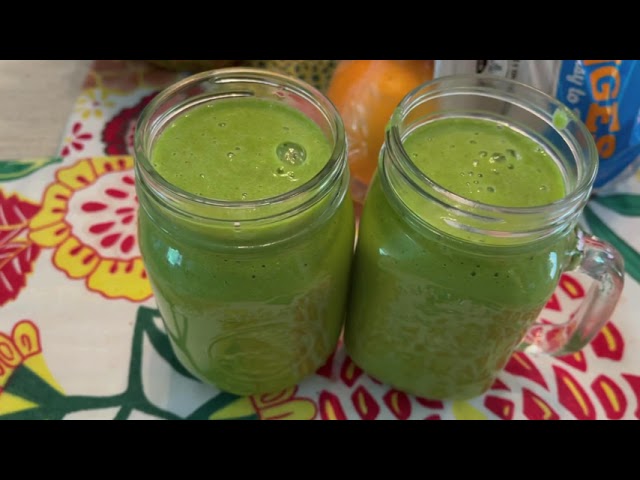
Once we removed the honey, tightened fruit portions, added a protein base, and included chia for fiber, her cravings softened noticeably. Not instantly. But within a week, the cravings became easier to ride out instead of feeling like an emergency.
That is the difference between a smoothie diet that helps appetite and one that keeps the sugar cycle intact.
How to tell if the smoothie diet is actually working for craving reduction
People often measure success by the scale. But for smoothie diet effectiveness for hunger and cravings, you want to watch your body’s cues.
A helpful way to think about it: cravings should become less frequent and less intense. They might still show up, but they usually feel manageable.
Here are the signs I look for:
- You stop thinking about sweets at the exact same times every day
- You can delay a craving by 10 to 20 minutes without feeling panicked
- Your smoothie makes you feel steady, not jittery or suddenly starving later
- You notice fewer “snack attacks” between meals
- Your hunger feels more normal, like you can eat at the next planned time
If none of that happens, it does not automatically mean smoothies are “bad.” It usually means the smoothie recipe or schedule needs adjustment.
Also, if you feel cravings intensify within the first few days, it can be a transition. If your old routine was heavy on sugar, your brain may protest when sweetness stops showing up. But it should trend down once your meals become more filling and less sugar-heavy.
The biggest pitfalls that keep sugar cravings alive
If you want the most honest answer, it weight loss includes the common mistakes. Smoothie diets can be effective, but only if they are built with weight loss and craving reduction in mind.
One major pitfall is confusing “smooth” with “filling.” Smoothies can be easier to drink than to chew, which can lead people to underestimate portions. If the smoothie is too small or too thin, you may feel hungry later and then grab sugar to compensate.
Another pitfall is using the wrong sweeteners. Even “natural” sweeteners can maintain a craving loop because your taste system keeps expecting something sweet. Sweetness can also become the main reward, which makes cravings for candy feel more urgent.
Here is what I recommend focusing on, in practical terms:
- Aim for a protein base in every smoothie
- Keep fruit portions reasonable, and avoid juice
- Add fiber with chia, oats, or a similar ingredient
- Use minimal sweeteners, or none, even if the smoothie tastes less exciting at first
- Plan smoothie timing so you do not create a long gap before your next meal
This is where weight loss and craving reduction meet. If the smoothies keep you full and reduce sugar exposure, cravings often fade. If the smoothies are basically liquid dessert, the craving problem can persist.
Can smoothies replace willpower without backfiring?
The reason people like smoothie diets is that they reduce decision fatigue. You do not have to choose between five snack options. You blend, drink, and move on. For someone who struggles with cravings, that structure can feel like relief.
But I think it is important to be honest about sustainability. A smoothie-only plan can work for some people short term, especially if it is calorie controlled and nutritionally balanced. For others, the lack of chewing and the limited variety can make cravings worse, especially if the plan does not include strategies for long-term habits.
If your goal is to reduce sugar cravings while losing weight, I would treat a smoothie diet as a tool, not a permanent identity. Start with a clear purpose: stabilize meals, lower added sugar, and improve fullness. Then, as cravings calm down, you can gradually reintroduce solid meals that keep protein and fiber high, so you are not relying on liquid meals forever.
Smoothie diets can be effective, but they are only as good as their design. The best outcome is not “smoothie magic.” It is a repeatable eating pattern where your body stops feeling like it needs sugar to feel okay.
If you are considering a smoothie diet and you are worried about sugar cravings, start by asking one simple question: does your smoothie make sweets feel less necessary, or does it keep them in the picture? Your cravings will tell you the truth quickly.
❧